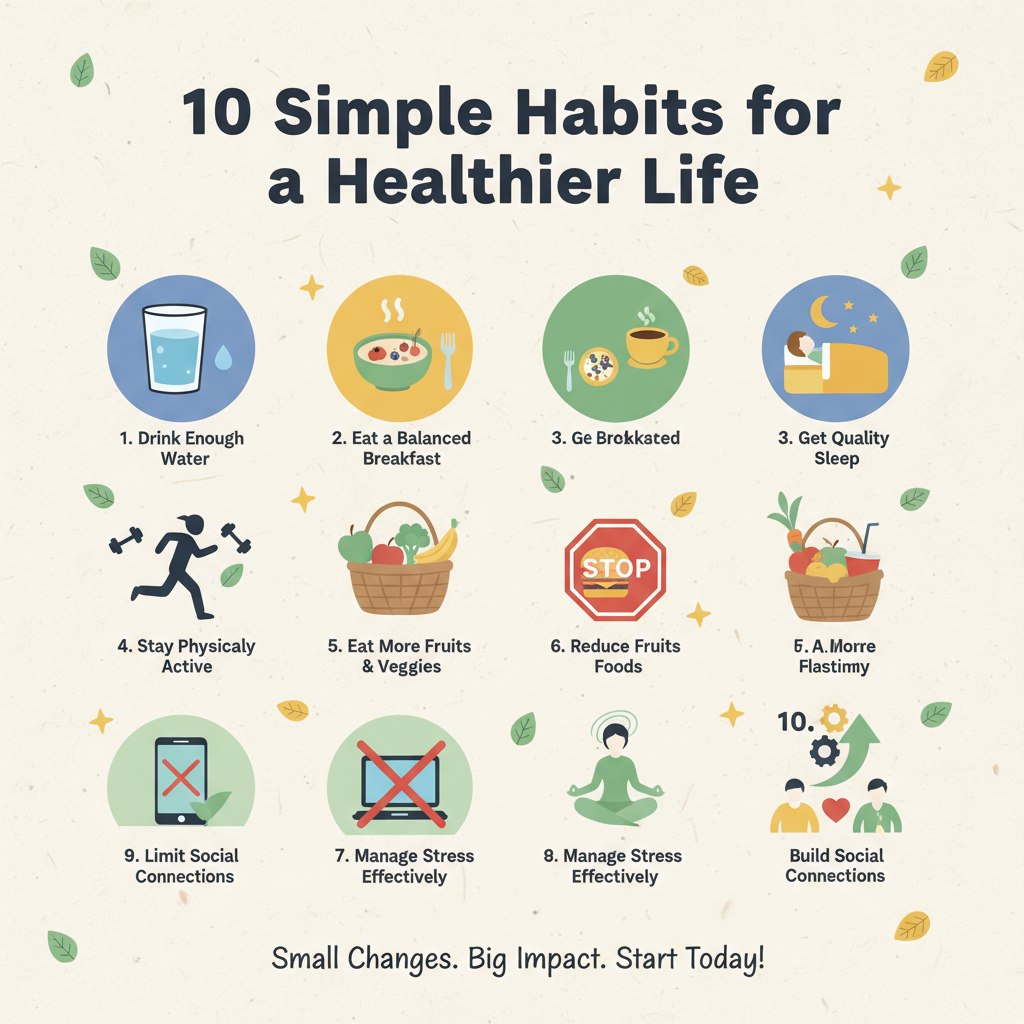
In today’s fast-paced world, maintaining good health has become more challenging than ever. Many people struggle with stress, unhealthy eating habits, lack of physical activity, and poor sleep. However, living a healthier life does not require drastic lifestyle changes or expensive fitness programs. In fact, some of the most powerful health improvements come from small daily habits.
Developing simple habits can significantly improve your physical health, mental well-being, and overall quality of life. When practiced consistently, these habits become part of your lifestyle and help you maintain long-term wellness.
In this article, we will explore 10 simple habits that can help you live a healthier and happier life.
1. Drink Enough Water Every Day

Water is essential for life. The human body is made up of about 60 percent water, and every system in the body depends on proper hydration to function effectively.
Drinking enough water provides many health benefits. It helps regulate body temperature, supports digestion, transports nutrients, and removes toxins from the body. Staying hydrated also improves energy levels, concentration, and skin health.
Many people do not drink enough water during the day, especially when they are busy with work or daily responsibilities. A simple way to improve hydration is to start the day by drinking a glass of water immediately after waking up. This helps your body recover from overnight dehydration.
Carrying a reusable water bottle can also remind you to drink water throughout the day. Experts often recommend drinking around 6 to 8 glasses of water daily, although the exact amount may vary depending on your body, activity level, and climate.
2. Eat a Balanced and Nutritious Breakfast
Breakfast is often referred to as the most important meal of the day. After several hours of sleep, your body needs energy and nutrients to start the day properly.
A healthy breakfast helps stabilize blood sugar levels, improve concentration, and provide energy for daily activities. People who eat breakfast regularly are also less likely to overeat later in the day.
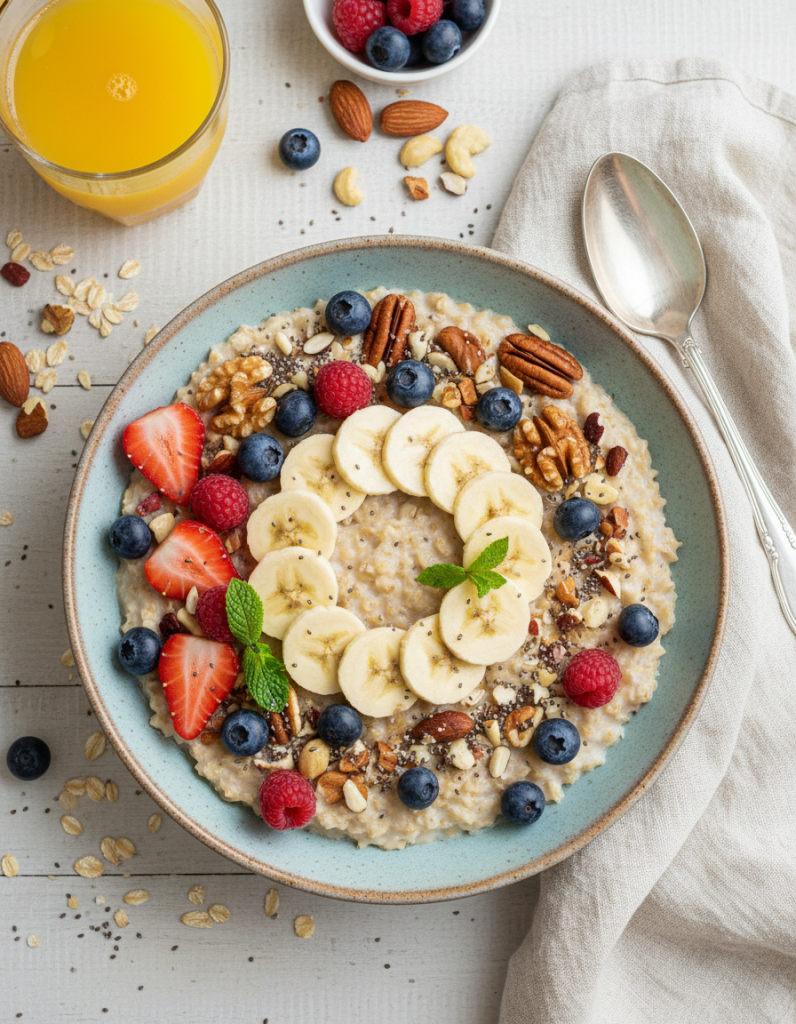
A nutritious breakfast should include a combination of protein, healthy fats, and complex carbohydrates. Good breakfast options include oatmeal with fruit, eggs with whole-grain toast, yogurt with nuts, or a smoothie made with fruits and vegetables.
Skipping breakfast may lead to fatigue, irritability, and poor focus throughout the morning. By making breakfast a daily habit, you give your body the fuel it needs to perform at its best.
3. Get Enough Quality Sleep
Sleep plays a crucial role in maintaining both physical and mental health. Unfortunately, many people sacrifice sleep due to busy schedules, work pressure, or excessive screen time.
Adults typically need 7 to 9 hours of sleep each night to function properly. When you get enough sleep, your body can repair tissues, strengthen the immune system, and support brain function.
Lack of sleep can lead to several health problems, including fatigue, difficulty concentrating, mood swings, and increased risk of chronic diseases. Poor sleep is also linked to weight gain and weakened immunity.
To improve sleep quality, try to establish a consistent bedtime routine. Going to bed and waking up at the same time each day helps regulate your body’s internal clock. It is also helpful to limit caffeine in the evening and avoid electronic devices before bedtime.
Creating a quiet, dark, and comfortable sleeping environment can make it easier to fall asleep and stay asleep throughout the night.
4. Stay Physically Active
Regular physical activity is one of the most important habits for maintaining a healthy body. Exercise strengthens muscles, improves heart health, and increases energy levels.
Many people believe they need to spend hours in the gym to stay fit, but this is not true. Even simple activities like walking, stretching, or cycling can provide significant health benefits.
Health experts recommend at least 30 minutes of moderate physical activity most days of the week. This could include activities such as brisk walking, dancing, swimming, or yoga.
Regular exercise also improves mental health by reducing stress, anxiety, and depression. Physical activity releases endorphins, which are natural chemicals in the brain that promote feelings of happiness and relaxation.
If you have a sedentary job, try to stand up, stretch, or walk around every hour. Small movements throughout the day can greatly benefit your overall health.
5. Eat More Fruits and Vegetables
Fruits and vegetables are packed with essential vitamins, minerals, fiber, and antioxidants. These nutrients support the immune system and help protect the body from many diseases.
Health professionals recommend eating at least five servings of fruits and vegetables each day. Including a variety of colorful produce ensures that your body receives a wide range of nutrients.
Fruits and vegetables help improve digestion, support heart health, and reduce the risk of chronic diseases such as diabetes and cancer. They are also naturally low in calories, making them an excellent choice for maintaining a healthy weight.
You can easily add more fruits and vegetables to your diet by including them in every meal. For example, you might add berries to your breakfast, enjoy a salad with lunch, and include vegetables with dinner.
Healthy snacks like apples, carrots, or bananas are also great alternatives to processed snacks.

6. Reduce Processed and Sugary Foods
Modern diets often include large amounts of processed foods. These foods are typically high in sugar, salt, and unhealthy fats while lacking essential nutrients.
Examples of processed foods include fast food, sugary drinks, packaged snacks, and instant meals. Regular consumption of these foods can increase the risk of obesity, heart disease, and type 2 diabetes.
Replacing processed foods with whole foods is one of the best ways to improve your health. Whole foods include fresh fruits, vegetables, whole grains, lean proteins, and healthy fats.
Cooking meals at home allows you to control the ingredients and reduce unnecessary additives. Over time, reducing processed foods can improve energy levels and support long-term health.
7. Manage Stress Effectively
Stress is a natural part of life, but chronic stress can negatively affect both physical and mental health. High stress levels can lead to headaches, digestive problems, sleep disturbances, and weakened immunity.
Learning to manage stress is an important part of a healthy lifestyle. Simple stress-management techniques include deep breathing exercises, meditation, and spending time in nature.
Physical activity, hobbies, and social interactions can also help reduce stress. Even taking a few minutes each day to relax and clear your mind can improve emotional well-being.
Maintaining a healthy work-life balance is also important. Taking breaks, setting boundaries, and prioritizing self-care can help prevent burnout and maintain mental health.

8. Limit Screen Time
Technology plays a major role in modern life, but excessive screen time can negatively impact health. Spending too much time on smartphones, computers, or televisions may lead to eye strain, poor posture, and reduced physical activity.
Extended screen use can also interfere with sleep, especially when devices are used late at night. The blue light emitted by screens can disrupt the body’s natural sleep cycle.
To reduce the negative effects of screen time, try taking regular breaks during the day. A common recommendation is the 20-20-20 rule: every 20 minutes, look at something 20 feet away for 20 seconds.
You can also set limits on recreational screen time and replace it with activities such as reading, exercising, or spending time outdoors.
9. Build Strong Social Connections
Human relationships are essential for emotional health and overall well-being. Spending time with family and friends provides support, encouragement, and a sense of belonging.
Strong social connections have been linked to reduced stress levels, improved mental health, and longer life expectancy. People who maintain meaningful relationships tend to experience greater happiness and life satisfaction.
Simple activities like sharing meals, having conversations, or participating in community events can strengthen relationships.
In a busy world, it is important to make time for the people who matter most in your life. Even small moments of connection can have a positive impact on mental and emotional health.
10. Stay Consistent with Healthy Habits
The key to long-term health is consistency. Many people attempt drastic lifestyle changes but struggle to maintain them over time.
Instead of trying to change everything at once, focus on small habits that you can maintain daily. For example, drinking more water, walking regularly, and eating balanced meals are simple habits that can gradually transform your health.
Consistency helps build routines that become part of your everyday life. Over time, these habits can lead to lasting improvements in energy, mood, and overall wellness.
Remember that health is a lifelong journey. Progress may be slow at times, but every positive step contributes to a healthier future.

Conclusion
Living a healthier life does not require complicated plans or extreme lifestyle changes. By adopting small and simple habits, anyone can improve their physical health, mental well-being, and overall quality of life.
Drinking enough water, eating nutritious foods, staying active, getting quality sleep, and managing stress are some of the most effective ways to maintain good health.
The most important step is to start today. Even small changes can create a powerful impact over time. With consistency and dedication, these habits can help you build a healthier and happier life for years to come.
