Water is one of the most essential elements for life. Every cell, tissue, and organ in the human body depends on water to function properly. Despite its importance, many people do not drink enough water during the day. Busy schedules, distractions, and the availability of sugary drinks often cause people to overlook their hydration needs.
Drinking enough water every day is one of the simplest and most effective ways to maintain good health. Proper hydration supports many vital processes in the body, including digestion, temperature regulation, circulation, and waste removal. It also helps maintain energy levels, improves skin health, and supports mental performance.
In this article, we will explore why drinking water every day is important and how proper hydration can improve your overall health and well-being.
1. Water Keeps Your Body Functioning Properly
The human body is composed of approximately 60 percent water. This means that water plays a critical role in nearly every bodily function. From transporting nutrients to maintaining blood circulation, water is essential for keeping the body working efficiently.
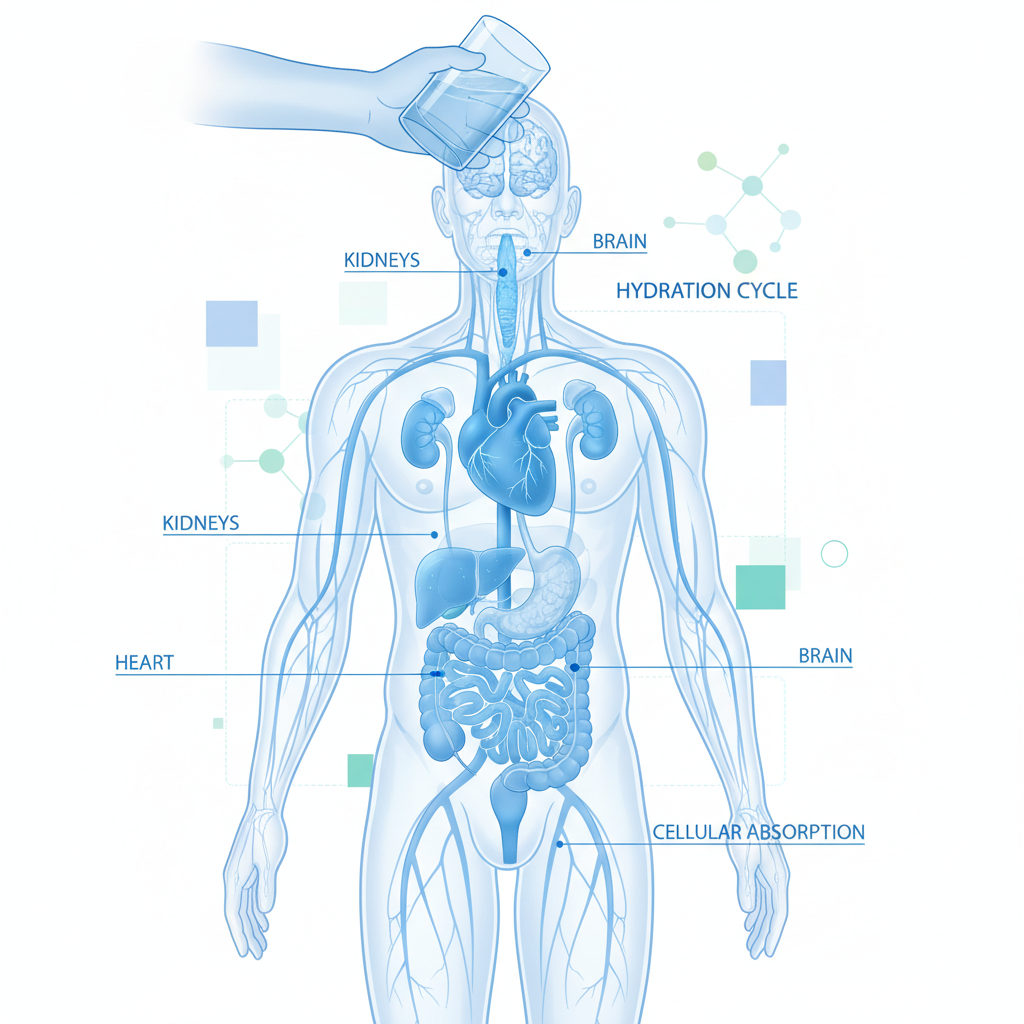
Water helps deliver oxygen and nutrients to cells throughout the body. It also assists in removing waste products through urine, sweat, and digestion. Without enough water, these important processes can slow down, causing fatigue and other health issues.
Proper hydration also helps maintain electrolyte balance, which is necessary for muscle contractions and nerve function. When the body lacks sufficient water, dehydration can occur, leading to symptoms such as headaches, dizziness, and reduced concentration.
2. Water Helps Regulate Body Temperature

Another important function of water is regulating body temperature. The body naturally produces heat through metabolism and physical activity. Water helps cool the body through sweating and evaporation.
When you exercise or spend time in hot weather, the body loses water through sweat. This process helps prevent overheating and keeps the body at a stable temperature.
If you do not replace the lost fluids, dehydration can occur. This can lead to heat exhaustion, fatigue, and reduced physical performance. Drinking enough water throughout the day helps maintain proper temperature regulation and keeps the body functioning comfortably.
3. Drinking Water Supports Healthy Digestion
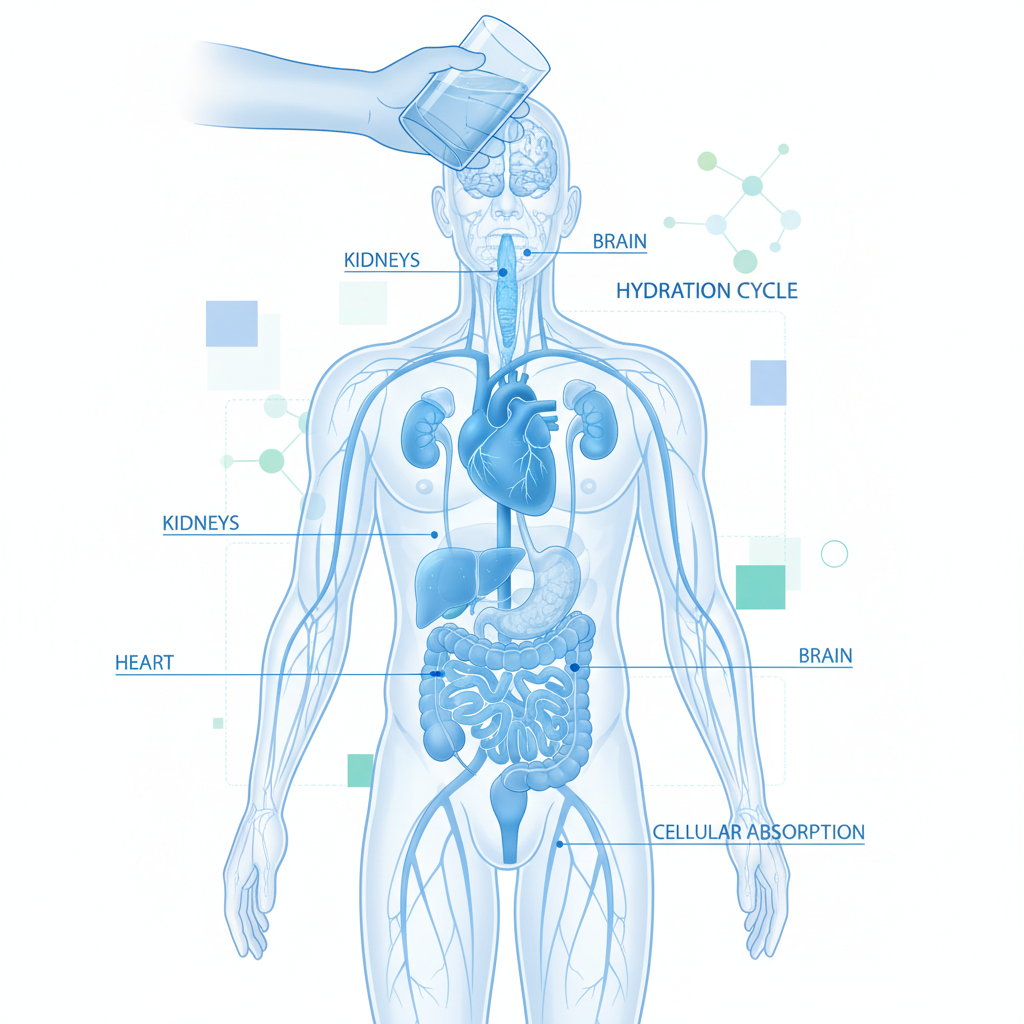
Water plays a key role in the digestive system. It helps break down food so that nutrients can be absorbed efficiently. Water also helps move food through the digestive tract and prevents constipation.
When the body does not receive enough fluids, digestion can slow down, leading to discomfort and digestive problems. Dehydration may also contribute to acid reflux and stomach irritation.
Drinking water before and after meals can help support healthy digestion. It assists the stomach in processing food and allows the intestines to absorb nutrients more effectively.
4. Water Improves Skin Health

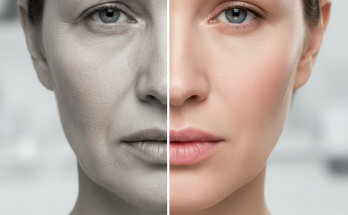
Healthy skin often starts from within. Drinking enough water helps maintain skin hydration and elasticity. When the body is well hydrated, skin cells function more efficiently, giving the skin a smoother and more youthful appearance.
Dehydration can cause the skin to appear dry, dull, and tired. Fine lines and wrinkles may become more noticeable when the skin lacks moisture.
While skincare products can help improve the outer appearance of the skin, internal hydration is equally important. Drinking water daily helps support natural skin repair processes and improves overall skin health.
5. Water Helps Maintain Energy Levels
Fatigue is often one of the first signs of dehydration. When the body lacks sufficient water, blood circulation can slow down, making it harder for oxygen and nutrients to reach the muscles and brain.
Even mild dehydration can reduce energy levels and cause feelings of tiredness. This can affect productivity, physical performance, and overall mood.
Drinking water regularly throughout the day helps maintain proper circulation and supports energy production in the body. Many people notice that simply drinking a glass of water can improve their alertness and focus.
6. Drinking Water Supports Brain Function

The brain relies heavily on proper hydration to function efficiently. Water helps maintain the balance of chemicals in the brain and supports communication between brain cells.
When dehydration occurs, it can affect concentration, memory, and mood. Studies have shown that even mild dehydration may lead to headaches, reduced focus, and slower cognitive performance.
Students, professionals, and anyone who performs mentally demanding tasks should pay special attention to hydration. Drinking water throughout the day can improve mental clarity and help maintain productivity.
7. Water Helps Control Body Weight
Drinking water can also play a role in weight management. Sometimes the body confuses thirst with hunger, causing people to eat when they actually need hydration.
Drinking a glass of water before meals can help reduce unnecessary calorie intake and promote a feeling of fullness. This simple habit may help prevent overeating.
In addition, water contains zero calories, making it a healthier alternative to sugary beverages such as soda or energy drinks. Replacing high-calorie drinks with water can significantly reduce daily calorie intake.
Over time, this habit can contribute to maintaining a healthy weight.
8. Water Helps Remove Toxins from the Body
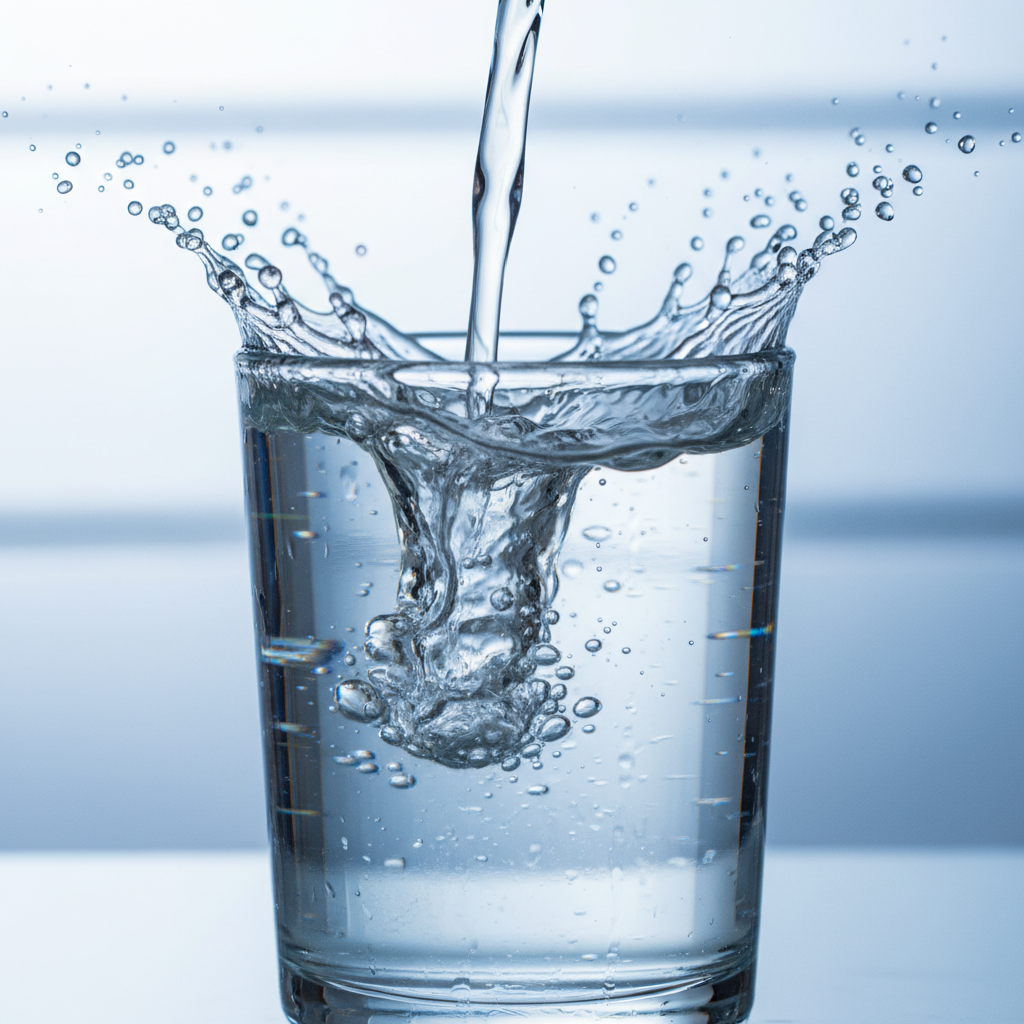
The body naturally produces waste products through metabolism and daily activity. Water plays a vital role in removing these toxins through the kidneys and urinary system.
The kidneys rely on water to filter waste from the blood and produce urine. If the body does not receive enough water, waste products may accumulate, increasing the risk of kidney problems.
Drinking enough water supports kidney health and helps prevent issues such as kidney stones and urinary tract infections. Proper hydration also helps flush out harmful substances from the body.
9. Water Supports Physical Performance
Athletes and physically active individuals lose significant amounts of water through sweat. If fluids are not replaced, dehydration can negatively affect performance.
Dehydration can lead to muscle cramps, fatigue, and reduced endurance. It may also increase the risk of heat-related illnesses during intense exercise or hot weather.
Drinking water before, during, and after physical activity helps maintain proper hydration and supports muscle function. Staying hydrated allows the body to perform at its best during workouts and sports activities.
10. Water Promotes Overall Health and Longevity
Consistently drinking enough water contributes to long-term health and well-being. Proper hydration supports the cardiovascular system, digestive system, kidneys, skin, and brain.
People who maintain good hydration habits often experience better energy levels, improved physical performance, and healthier skin.
While the exact amount of water needed varies from person to person, many health experts recommend drinking around 6 to 8 glasses of water per day as a general guideline.
However, individuals who exercise frequently, live in hot climates, or have certain health conditions may require more water.
Listening to your body and drinking water when you feel thirsty is a simple but effective way to maintain proper hydration.

Conclusion
Water is essential for life and plays a crucial role in maintaining good health. From supporting digestion and brain function to improving skin health and energy levels, drinking water every day offers numerous benefits.
Despite its importance, many people underestimate the value of proper hydration. Developing the habit of drinking water regularly is one of the easiest and most effective ways to improve overall well-being.
By replacing sugary drinks with water and staying mindful of your hydration needs, you can support your body’s natural functions and maintain a healthier lifestyle.
Making water a daily priority is a small change that can lead to significant health benefits over time.