1. Reimagining Your Plate (The Visual Guide)
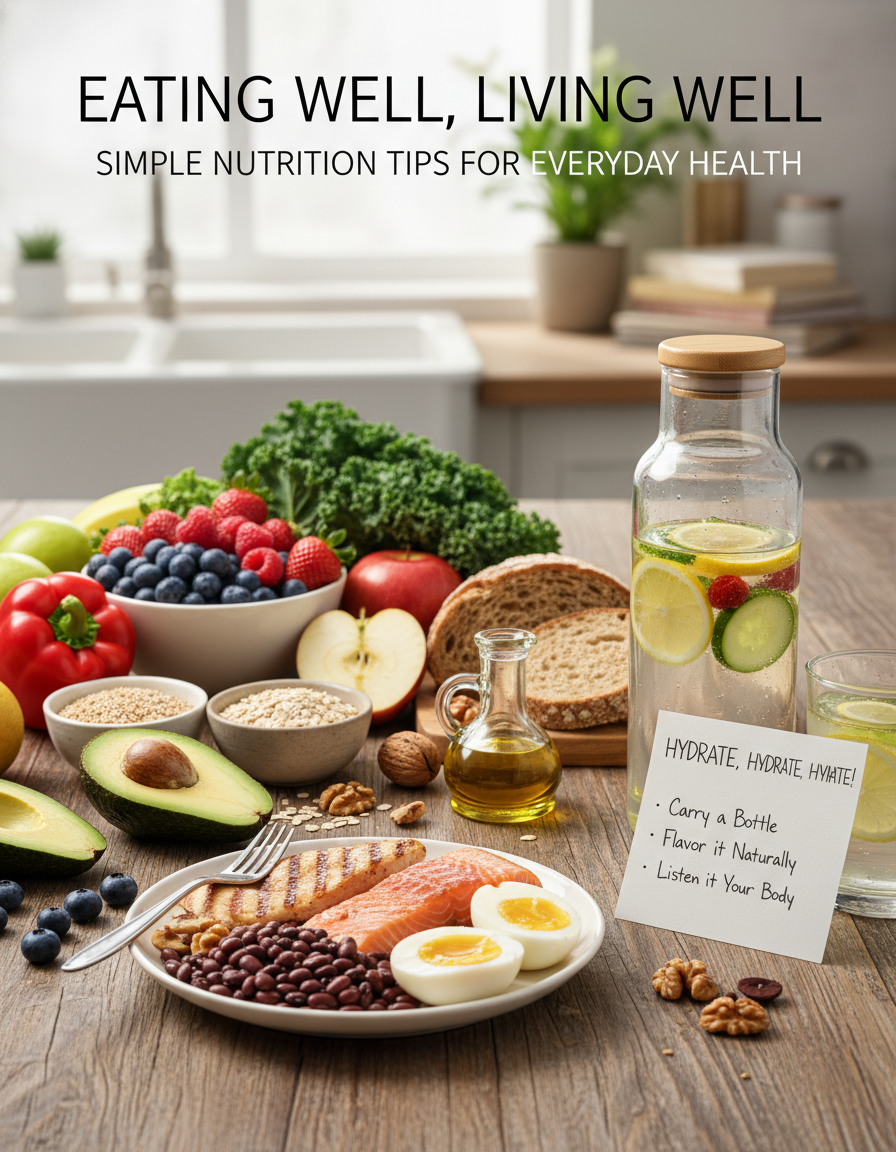
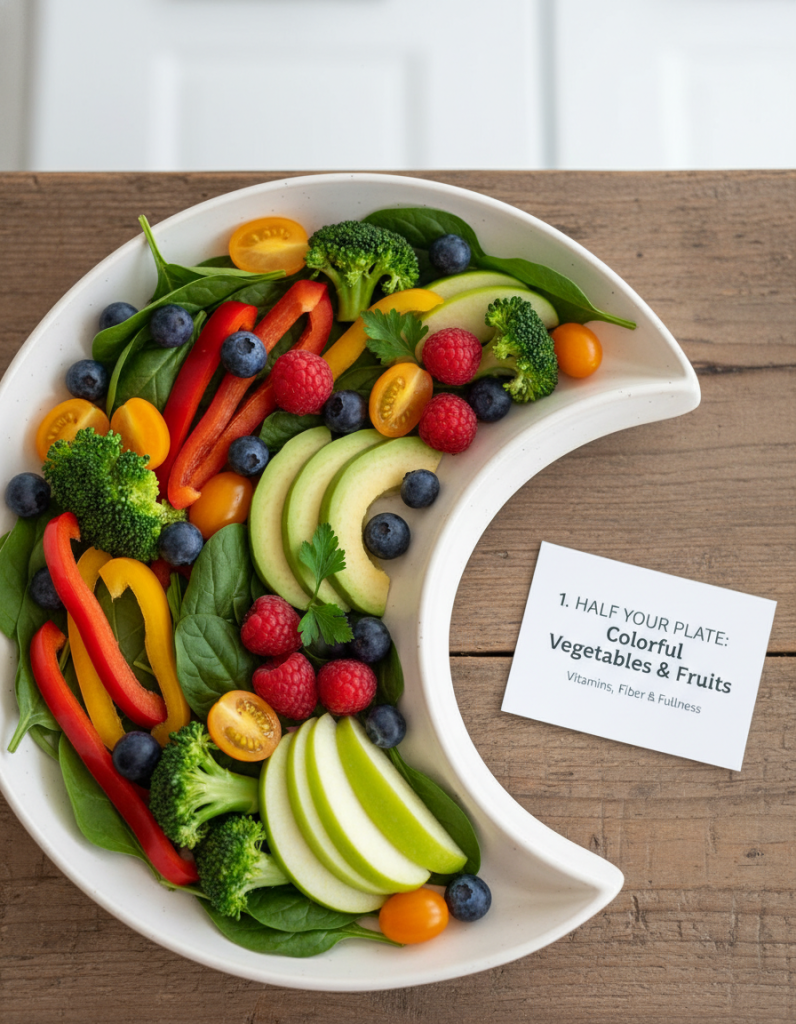
Instead of counting every calorie, use your plate as a visual guide. Expert organizations like the NHS and Harvard Health suggest:
- Half your plate: Fill this with colorful vegetables and fruits to get essential vitamins and fiber.
- One-quarter: Focus on whole grains (brown rice, whole-wheat pasta, or oats), which provide sustained energy.
- One-quarter: Include lean proteins such as fish, beans, poultry, or tofu for muscle repair and satiety. nhs.uk +4
2. Smart Swaps for Instant Impact
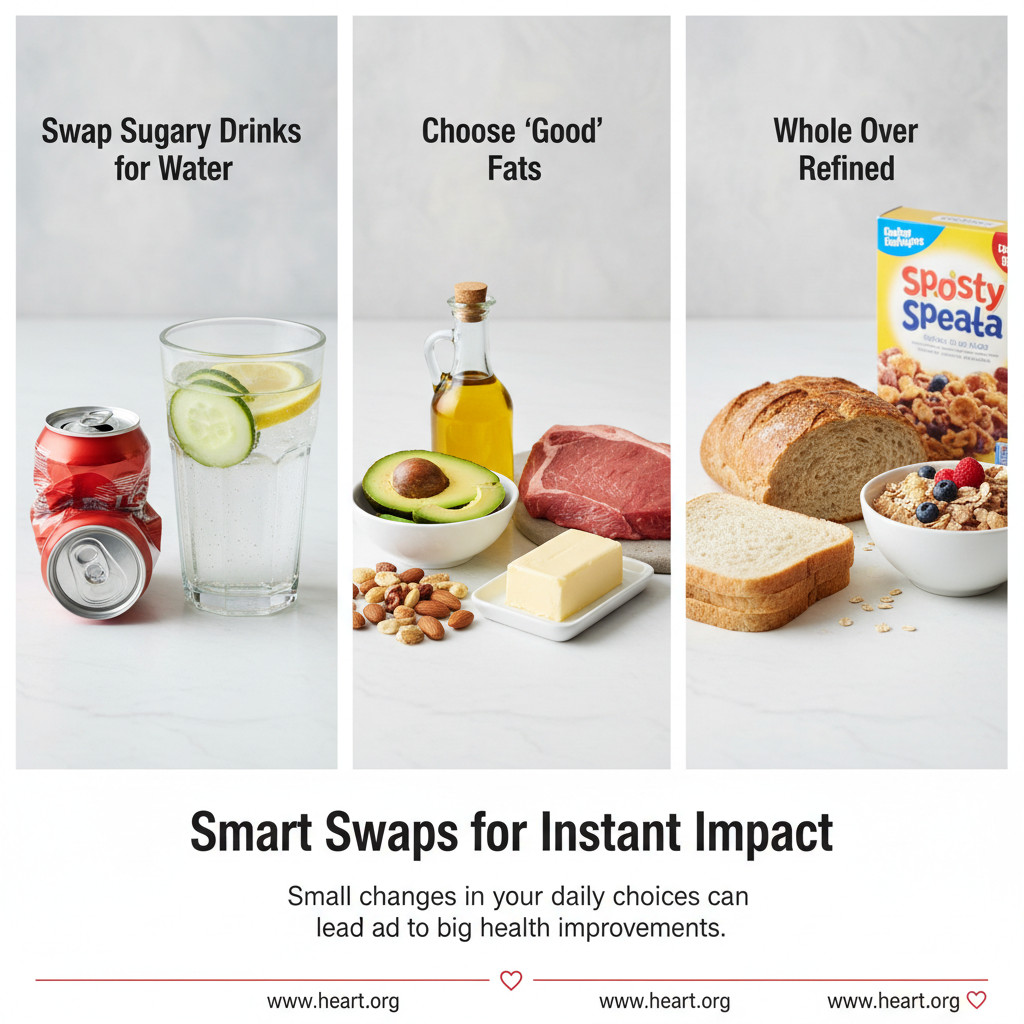
Small changes in your daily choices can lead to big health improvements: www.heart.org
- Swap Sugary Drinks for Water: Hydration is key. Aim for 6–8 glasses a day and use fruit slices (lemon or cucumber) for flavor instead of soda.
- Choose “Good” Fats: Replace saturated fats (found in butter and fatty meats) with unsaturated fats like those in olive oil, avocados, and nuts.
- Whole Over Refined: Opt for whole-grain bread and cereals over white versions to keep your digestive system healthy and feel fuller for longer. British Heart Foundation +4
3. Practical Tips for Busy Lifestyles
Healthy eating shouldn’t take hours. Use these “shortcuts” to stay on track:
- Master Batch Cooking: Dedicate time on the weekend to cook large portions of grains or proteins that you can quickly assemble into different meals during the week.
- The Power of Frozen/Canned: Don’t fear the freezer aisle. Frozen vegetables and canned beans (rinsed to reduce salt) are just as nutritious as fresh and often much cheaper.
- Pre-Prep Your Snacks: Keep cut-up veggies or unsalted nuts within reach to avoid reaching for processed snacks when hunger strikes. Mayo Clinic Health System +4
4. Eating Well on a Budget
Nutrition doesn’t have to be expensive. You can save money by:
- Shopping Seasonally: Produce is cheaper and tastier when it’s in season.
- Embracing Plant Proteins: Beans, lentils, and eggs are some of the most affordable and nutrient-dense protein sources available.
- Buying Generic: Supermarket “own-brand” staples like oats and tinned tomatoes are often identical in quality to big-name brands but cost significantly less.Mayo Clinic Health System +3
5. Mindful Eating Habits
It’s not just what you eat, but how you eat.
- Don’t Skip Breakfast: A healthy start helps prevent overeating later in the day.
- Minimize Distractions: Turn off the TV and put away your phone. Focusing on your food helps you recognize when you are actually full. nhs.uk +2
These resources provide expert tips for creating balanced meals, incorporating smart food swaps, and managing a healthy diet affordably.
6. Eating Well on a Budget (Expanded)
Many people think healthy eating is expensive, but it’s actually about strategy rather than a high price tag.
- The “Canned and Frozen” Secret: Frozen fruits and vegetables are picked at peak ripeness and flash-frozen, locking in nutrients. They are often cheaper than fresh produce and won’t spoil in your fridge. Similarly, canned beans, lentils, and chickpeas are protein powerhouses that cost pennies per serving.
- Buy Staples in Bulk: Items like brown rice, quinoa, oats, and dried beans have a long shelf life. Buying the larger bags instead of individual pre-cooked pouches can save you a significant amount over a month.
- Plan Around Sales: Check your local store’s weekly flyer before you shop. If broccoli is on sale, make that your primary green for the week. Building your meal plan around what’s discounted—rather than a rigid list—is a game-changer for your wallet.
- Reduce Meat Consumption: Meat is often the most expensive part of a grocery bill. Try “Meatless Mondays” or swapping half the ground meat in a recipe (like tacos or chili) with cooked lentils or finely chopped mushrooms.
Conclusion: Your Journey to Everyday Health
Living well doesn’t require a complete lifestyle overhaul or a massive budget. It’s about the small, intentional choices you make every time you reach for a snack or plate a meal. By prioritizing whole foods, staying hydrated, and being mindful of how you shop, you aren’t just “eating better”—you’re fueling a more vibrant, energetic version of yourself. Start with one simple swap today, and watch how those small changes lead to a lifetime of big results.