1. The Science of the “Two-Way Street”
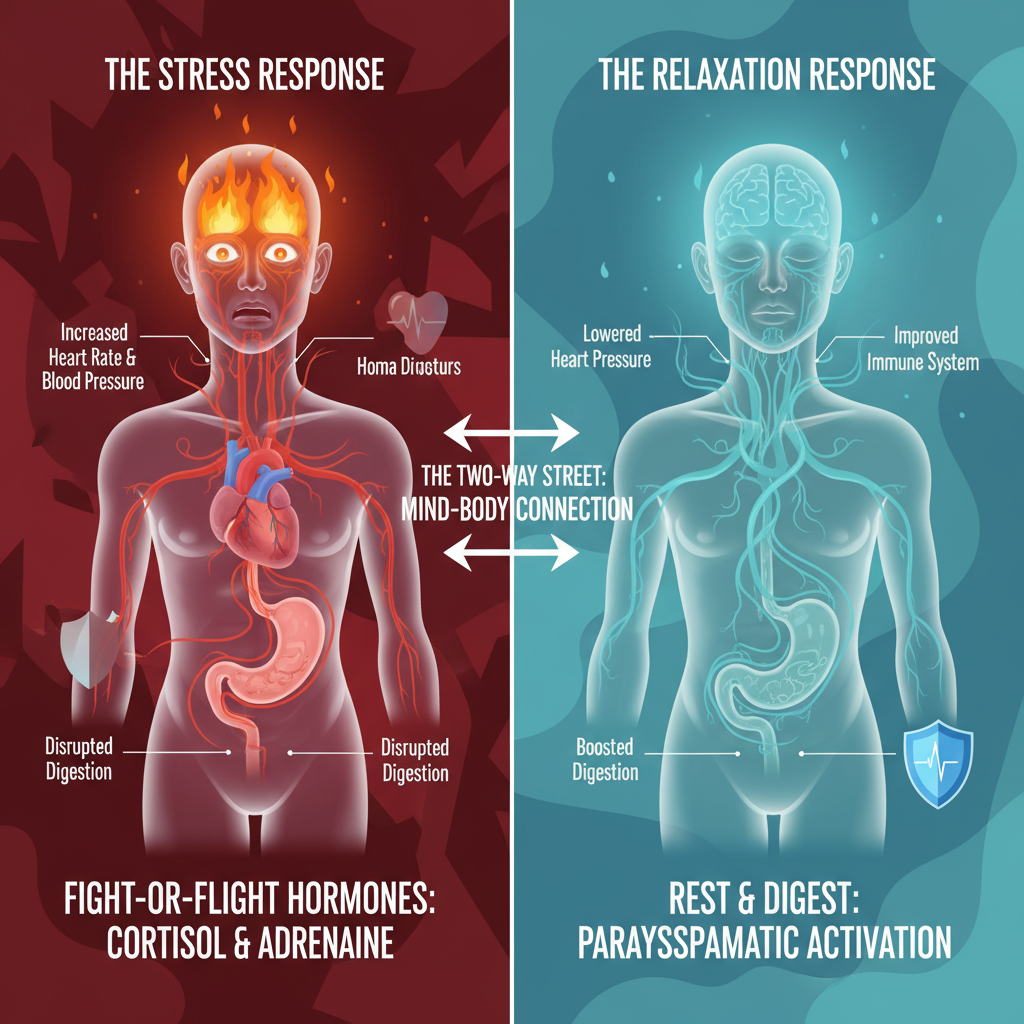
Start by defining the mind-body connection not just as a concept, but as a physiological reality. Our brain and body communicate constantly through neurological, hormonal, and immune pathways.
- The Stress Response: When we are mentally stressed, the “fight-or-flight” response triggers a flood of cortisol and adrenaline. While helpful in short bursts, chronic activation can cause “wear and tear” on the heart, digestion, and immune system.
- The Relaxation Response: Conversely, mental wellness practices can activate the parasympathetic nervous system—the “rest and digest” mode—which lowers blood pressure and promotes cellular repair.
2. How Mental Wellness Protects the Heart

Mental health is a powerful predictor of cardiovascular health.
- Lowering Blood Pressure: Chronic anxiety and stress are linked to hypertension. By managing these through mindfulness or therapy, individuals can reduce the risk of heart disease and stroke.
- Reduced Inflammation: Depression is often associated with higher levels of systemic inflammation, a known contributor to heart disease and autoimmune disorders. Improving mental state can help dampen this inflammatory response.
3. Boosting the Immune System
A healthy mind helps the body fight off illness more effectively.
- Increased Resilience: Research suggests that a positive outlook and lower stress levels strengthen the immune system, making you less susceptible to common infections like the cold or flu.
- Healing Speed: Studies on journaling and expressive writing have even shown that managing emotional distress can speed up physical wound healing.
4. The Gut-Brain Axis
The “second brain” in your gut is deeply affected by your mental state.
- Digestive Comfort: Stress and anxiety are major triggers for irritable bowel syndrome (IBS) and acid reflux.
- Microbiome Balance: Mental wellness supports a healthy gut microbiome, which in turn produces 95% of the body’s serotonin, creating a positive feedback loop for mood and digestion.
5. Practical Strategies for Integration
Conclude with actionable steps to bridge the gap:
- Mindful Movement: Practices like Yoga and Tai Chi combine physical activity with mental focus, strengthening the connection.
- Breathwork: Simple techniques like “box breathing” (4 seconds in, 4 hold, 4 out) can immediately lower cortisol levels.
- Consistent Rest: Prioritize 7–9 hours of sleep, as sleep is the primary time for both emotional processing and physical regeneration.
The Holistic Health Trifecta: Small Changes for a Vibrant Life
We often treat our health like a series of separate compartments: we go to the gym for our muscles, eat salads for our weight, and perhaps practice meditation for our stress. However, true wellness is a “trinity” where your habits, your nutrition, and your mental state all feed into one another. When you improve one, the others naturally follow.
1. The Foundation: Micro-Habits, Not Overhauls
The secret to lasting change isn’t a massive lifestyle flip; it’s the 1% rule. As habit experts suggest, improving just 1% every day leads to massive compounding results over a year.
- The “One-Minute” Rule: If a task (like tidying your desk or prepping a water bottle) takes less than a minute, do it now. This reduces “mental clutter” and physical stress.
- Never Miss Twice: Life happens. If you miss a workout or a healthy meal, don’t spiral. Just ensure you don’t miss two days in a row to keep the momentum alive.
2. Fueling the Machine: Simple Nutrition for Everyday Life
Eating well isn’t about restriction; it’s about crowding out the bad with the good.
- The Visual Plate: Aim for a plate that is 50% colorful vegetables, 25% lean protein (like beans or fish), and 25% whole grains.
- Smart Swaps: Instead of a total diet overhaul, try one “swap” a day—like sparkling water instead of soda, or oats instead of sugary cereal.
- Budget-Friendly Wellness: Remember that frozen vegetables and canned legumes are nutritional powerhouses that cost a fraction of “superfoods.”
3. The Secret Engine: The Mind-Body Connection
Your thoughts aren’t just in your head; they are felt in your heart and gut.
- The Stress-Physical Link: Chronic stress keeps your body in “fight-or-flight,” which can lead to inflammation and digestive issues. By practicing just five minutes of Box Breathing (inhale for 4, hold for 4, exhale for 4), you signal to your physical body that it is safe to heal.
- Gratitude as Medicine: Writing down three small wins each night has been shown to lower blood pressure and improve sleep quality. A happy mind creates a resilient body.
Conclusion
Physical health is not just about what you eat or how much you move; it is also about how you think and feel. By nurturing your mental wellness, you are providing your body with the biological environment it needs to thrive.
Conclusion: Starting the Loop
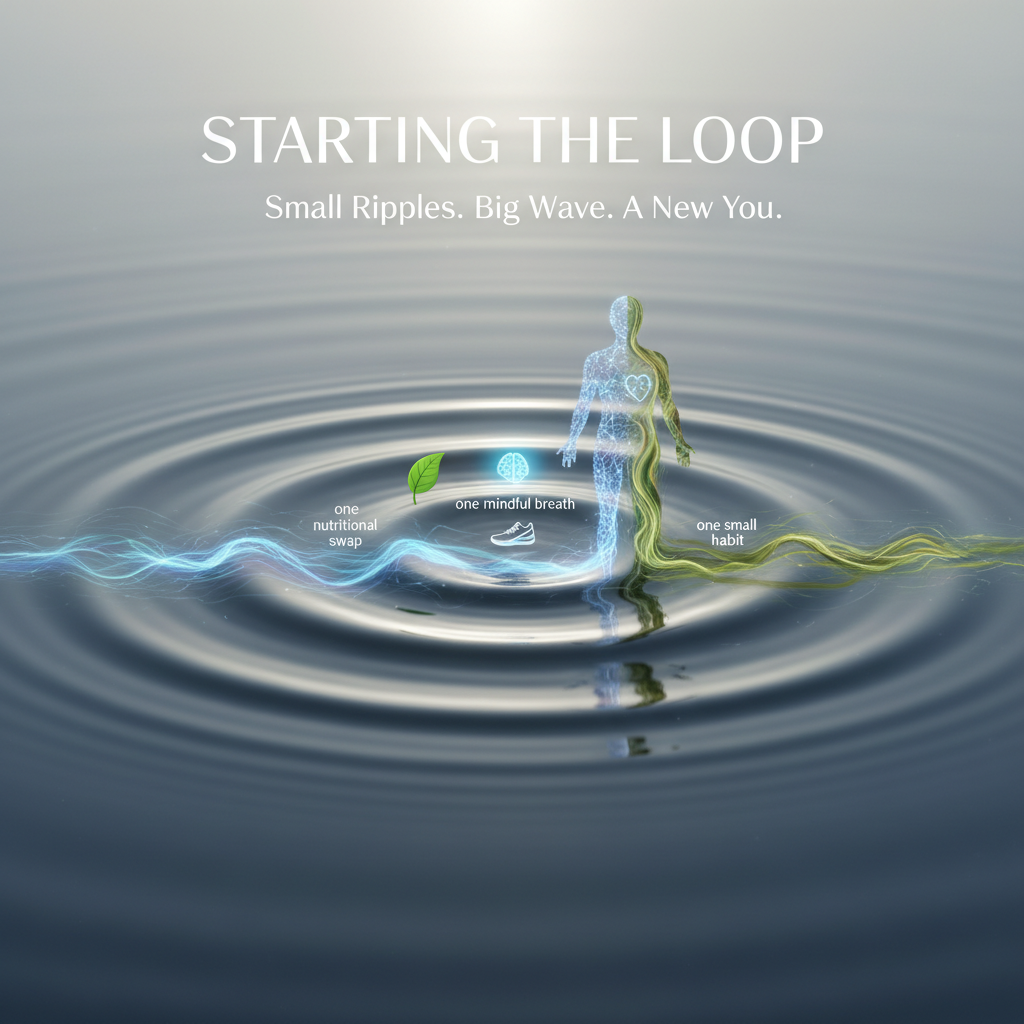
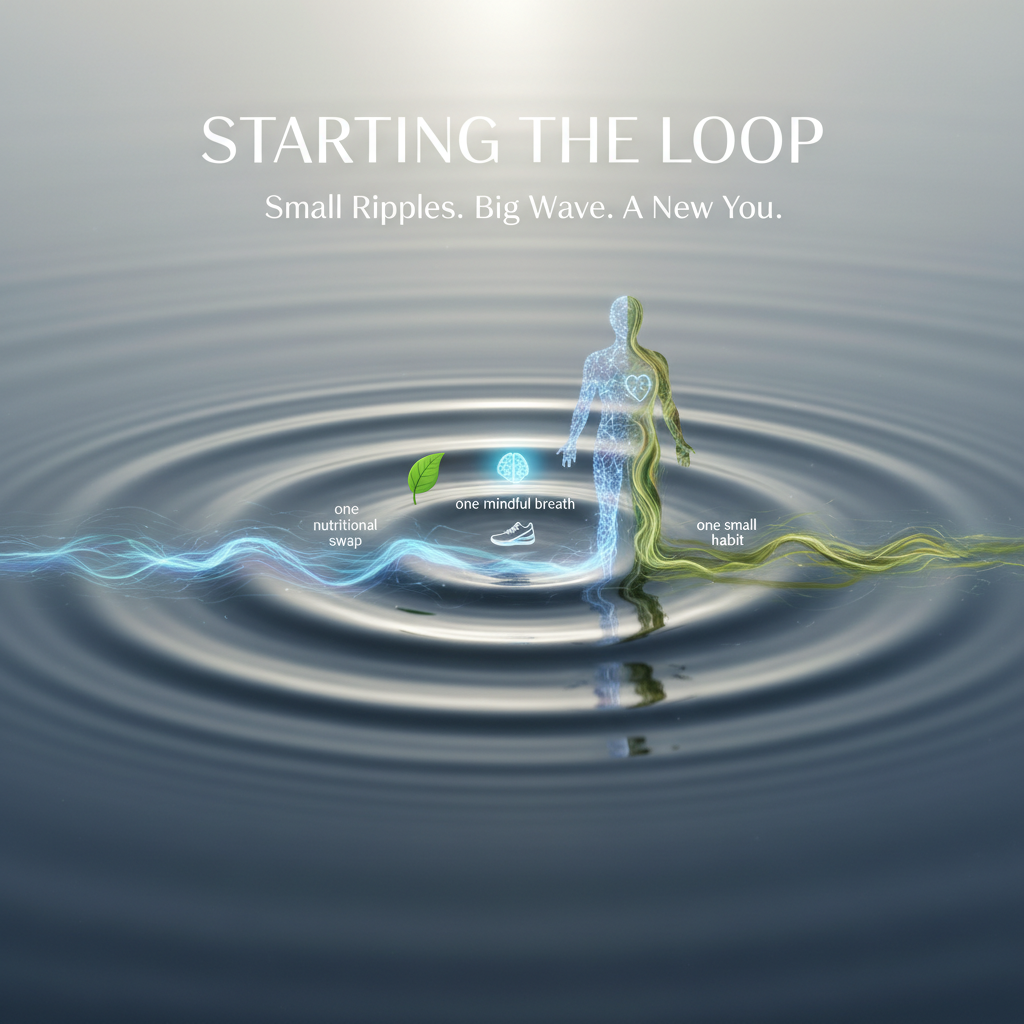
You don’t have to do everything at once. Pick one small habit, make one nutritional swap, and take one mindful breath. These small ripples eventually create a wave of health that transforms how you look, feel, and live.