Many people notice that their skin sometimes looks older than their actual age. Fine lines, wrinkles, dullness, and uneven skin tone can appear earlier than expected, making the face look tired or aged. While aging is a natural process, several lifestyle habits and environmental factors can cause the skin to age faster than normal.
Understanding the reasons behind premature skin aging is the first step toward maintaining healthy, youthful-looking skin. By identifying harmful habits and adopting better skincare practices, you can slow down the aging process and improve your skin’s appearance.
In this article, we will explore the main reasons why your skin may look older than your age and what you can do to protect it.
1. Sun Exposure Damages the Skin
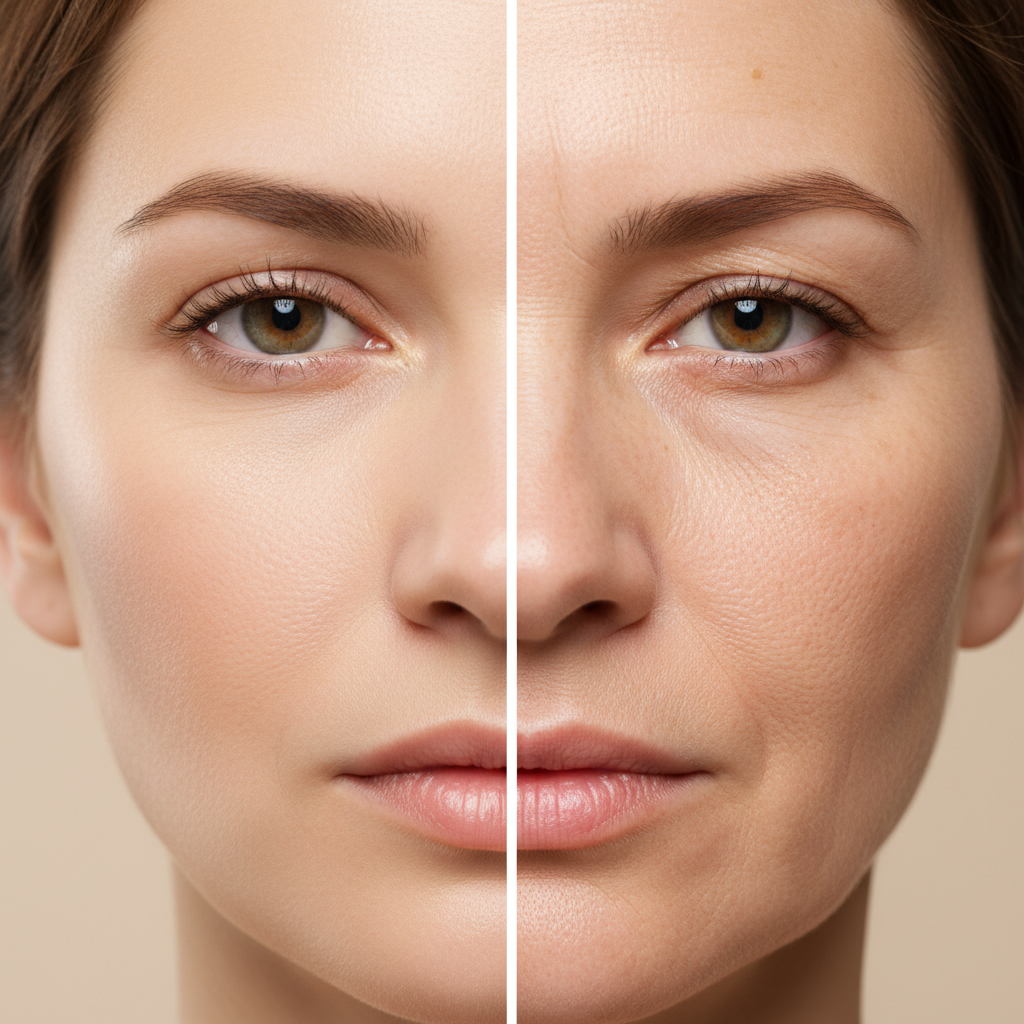
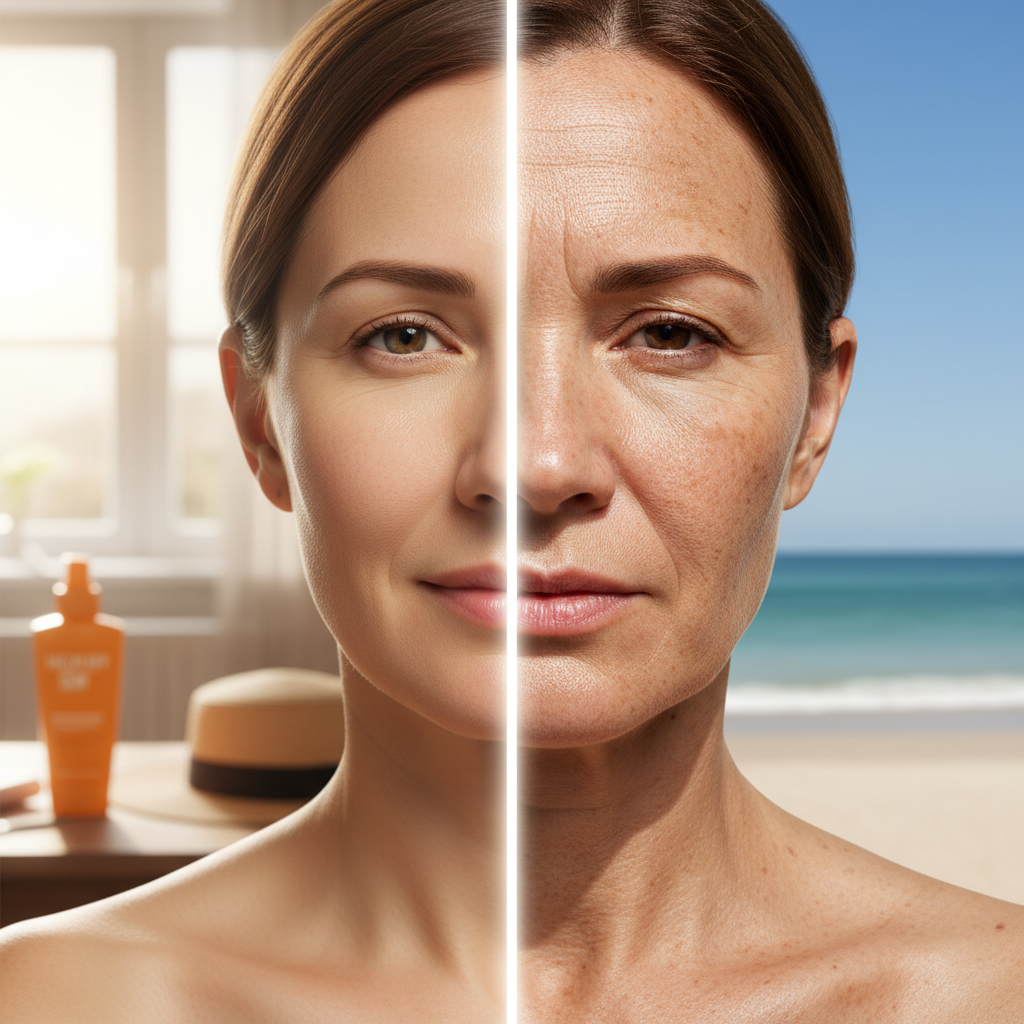
One of the biggest causes of premature skin aging is excessive exposure to sunlight. Ultraviolet (UV) rays from the sun can damage the skin’s structure and break down important proteins like collagen and elastin.
Collagen is responsible for keeping the skin firm and smooth, while elastin allows the skin to maintain its elasticity. When UV rays damage these proteins, the skin begins to develop wrinkles, fine lines, and sagging.
Sun exposure can also cause dark spots, uneven pigmentation, and rough skin texture. Over time, these effects accumulate and make the skin appear older.
To protect your skin from sun damage, it is important to use sunscreen daily, even when the weather is cloudy. Wearing hats, sunglasses, and protective clothing can also help reduce direct exposure to harmful UV rays.
2. Lack of Proper Hydration
Hydration plays a crucial role in maintaining healthy skin. When your body does not receive enough water, the skin can become dry, tight, and dull.
Dehydrated skin often highlights fine lines and wrinkles, making them more noticeable. In addition, dry skin tends to lose its natural glow and smooth texture.
Drinking enough water throughout the day helps maintain skin moisture and supports the body’s natural detoxification process. Water also helps transport nutrients to skin cells, keeping them healthy and functioning properly.
Experts generally recommend drinking around 6 to 8 glasses of water daily, although individual needs may vary depending on activity level and climate.
3. Poor Diet and Nutritional Deficiencies

The foods you eat directly affect your skin health. A diet high in processed foods, sugar, and unhealthy fats can accelerate skin aging.
Excess sugar in the diet contributes to a process known as glycation. During glycation, sugar molecules attach to proteins like collagen, weakening them and causing the skin to lose firmness.
On the other hand, a balanced diet rich in vitamins, minerals, and antioxidants supports healthy skin. Nutrients such as vitamin C, vitamin E, omega-3 fatty acids, and zinc help protect the skin from damage and promote repair.
Including foods like fruits, vegetables, nuts, fish, and whole grains in your daily meals can significantly improve your skin’s health and appearance.
4. Lack of Sleep
Sleep is essential for skin regeneration and repair. During sleep, the body produces growth hormones that help repair damaged skin cells and create new ones.
When you do not get enough sleep, your skin does not have enough time to recover from daily stress and environmental damage. This can lead to dark circles, puffiness under the eyes, and dull skin tone.
Chronic sleep deprivation may also increase the appearance of wrinkles and reduce skin elasticity.
To support healthy skin, adults should aim for 7 to 9 hours of quality sleep each night. Creating a relaxing bedtime routine and reducing screen time before sleep can improve sleep quality.
5. Smoking Accelerates Skin Aging

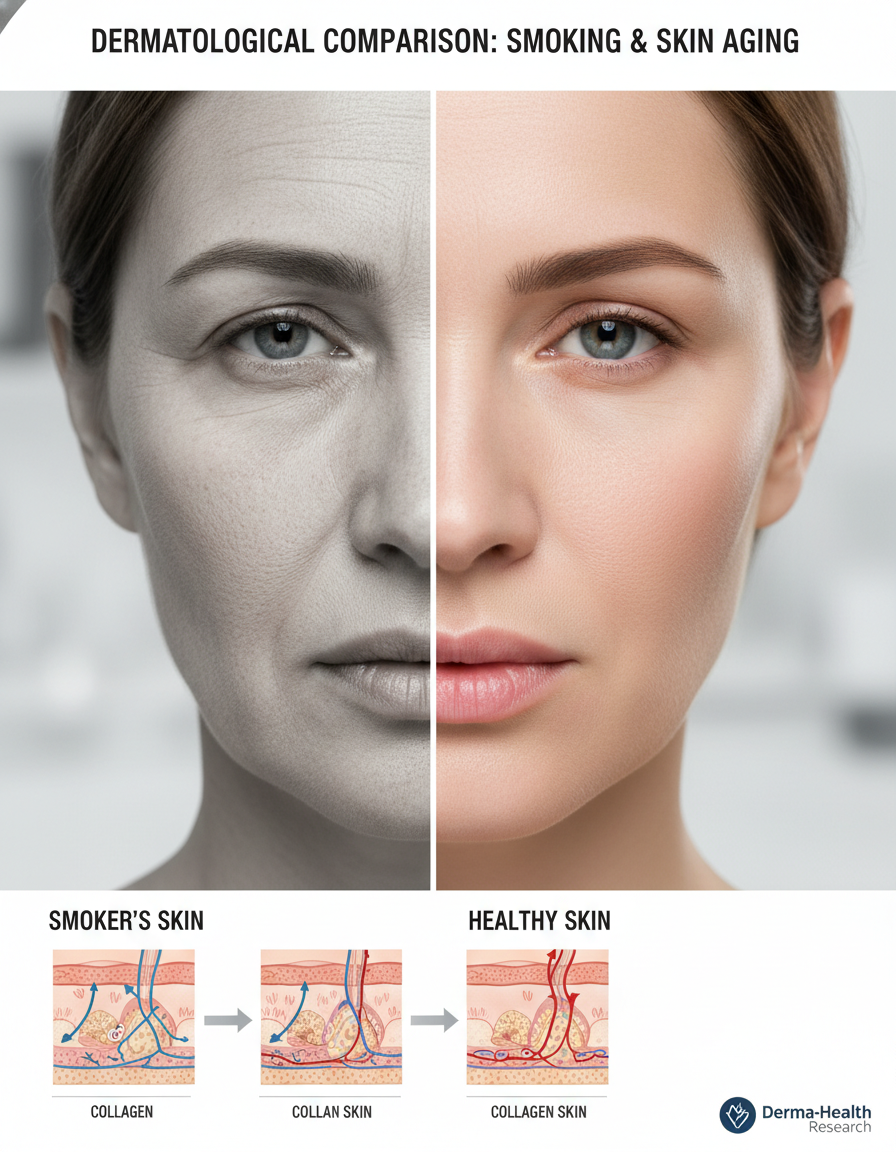
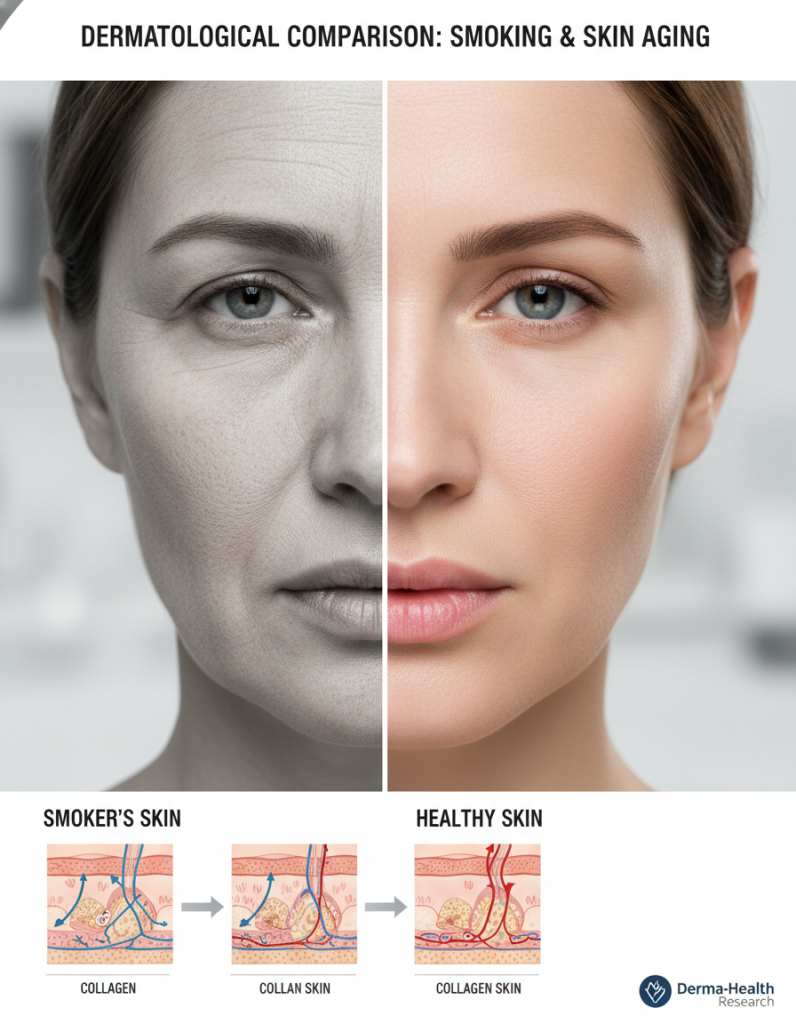
Smoking is one of the most harmful habits for skin health. The chemicals found in cigarettes reduce blood flow to the skin and deprive it of oxygen and essential nutrients.
Smoking also damages collagen and elastin, leading to wrinkles and sagging skin. Over time, smokers often develop deep lines around the mouth and eyes.
In addition, smoking causes the skin to appear dull and uneven. The toxins in cigarette smoke contribute to oxidative stress, which damages skin cells and accelerates aging.
Quitting smoking can significantly improve skin health and slow the aging process.
6. Stress and Its Effects on Skin
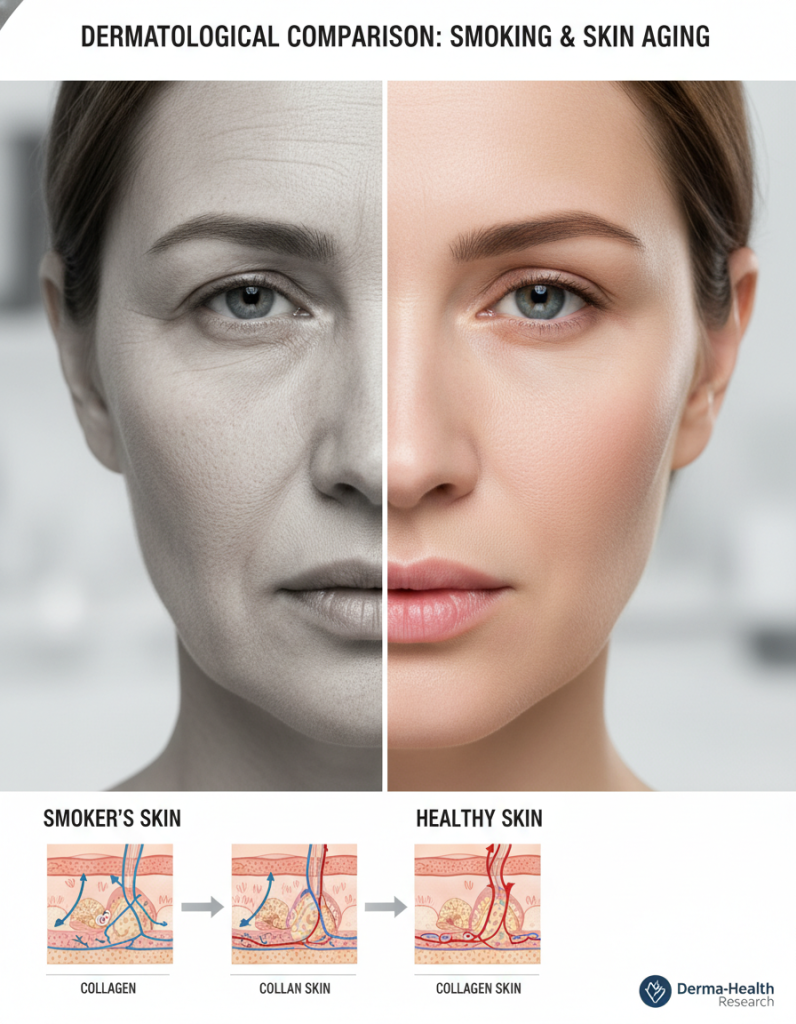
Chronic stress can negatively affect many aspects of health, including the skin. When you experience stress, your body releases hormones such as cortisol.
High cortisol levels can break down collagen and lead to inflammation in the skin. This may result in acne breakouts, redness, and increased sensitivity.
Stress can also worsen existing skin conditions such as eczema, psoriasis, and rosacea.
Managing stress through relaxation techniques like meditation, exercise, and deep breathing can help protect your skin from premature aging.
7. Not Following a Proper Skincare Routine
Another reason your skin may look older than your age is the lack of a proper skincare routine. Many people either neglect skincare or use products that are not suitable for their skin type.
A basic skincare routine should include:
• Gentle cleansing
• Moisturizing
• Sun protection
• Occasional exfoliation
Cleansing removes dirt, oil, and pollutants that accumulate on the skin during the day. Moisturizers help maintain hydration and protect the skin barrier.
Using sunscreen daily is one of the most effective ways to prevent premature aging.
8. Environmental Pollution
Air pollution is another factor that can accelerate skin aging. Pollutants in the environment generate free radicals that damage skin cells and break down collagen.
Exposure to polluted air can lead to dull skin, dark spots, and premature wrinkles. Pollutants can also clog pores and trigger inflammation.
Proper cleansing at the end of the day helps remove pollutants from the skin’s surface. Using antioxidant-rich skincare products may also help protect the skin from environmental damage.
9. Lack of Physical Activity
Regular physical activity improves blood circulation throughout the body, including the skin. Good circulation ensures that skin cells receive enough oxygen and nutrients.
Exercise also helps remove toxins through sweat, which can contribute to clearer skin.
People who live a sedentary lifestyle may experience slower circulation, which can cause the skin to look dull and tired.
Engaging in moderate exercise such as walking, cycling, or yoga several times a week can improve skin health and give it a natural glow.
10. Natural Aging and Genetics
Finally, genetics and natural aging also play a role in how your skin looks over time. Some people naturally develop wrinkles earlier due to their genetic makeup.
As we age, the body gradually produces less collagen and elastin. Skin also becomes thinner and loses moisture more easily.
Although aging cannot be stopped completely, adopting healthy habits can slow down the process and maintain youthful skin for longer.
Consistent skincare, a balanced diet, proper hydration, and sun protection can make a significant difference in the way your skin ages.
Conclusion
Your skin is constantly affected by both internal and external factors. While aging is inevitable, many lifestyle habits can accelerate the process and make your skin appear older than it really is.
Excessive sun exposure, dehydration, poor diet, lack of sleep, smoking, stress, and pollution are some of the most common causes of premature skin aging.
The good news is that many of these factors are within your control. By making healthier choices and following a consistent skincare routine, you can protect your skin and maintain a youthful appearance.
Taking care of your skin today will help ensure that it remains healthy, vibrant, and radiant for years to come.